


Headless Salesforce and Claude Passed a Test I Didn’t Plan
Life has been a whirlwind. Dreamforce, quarter end, client onsites, and fall break with my kids squeezed in the middle.
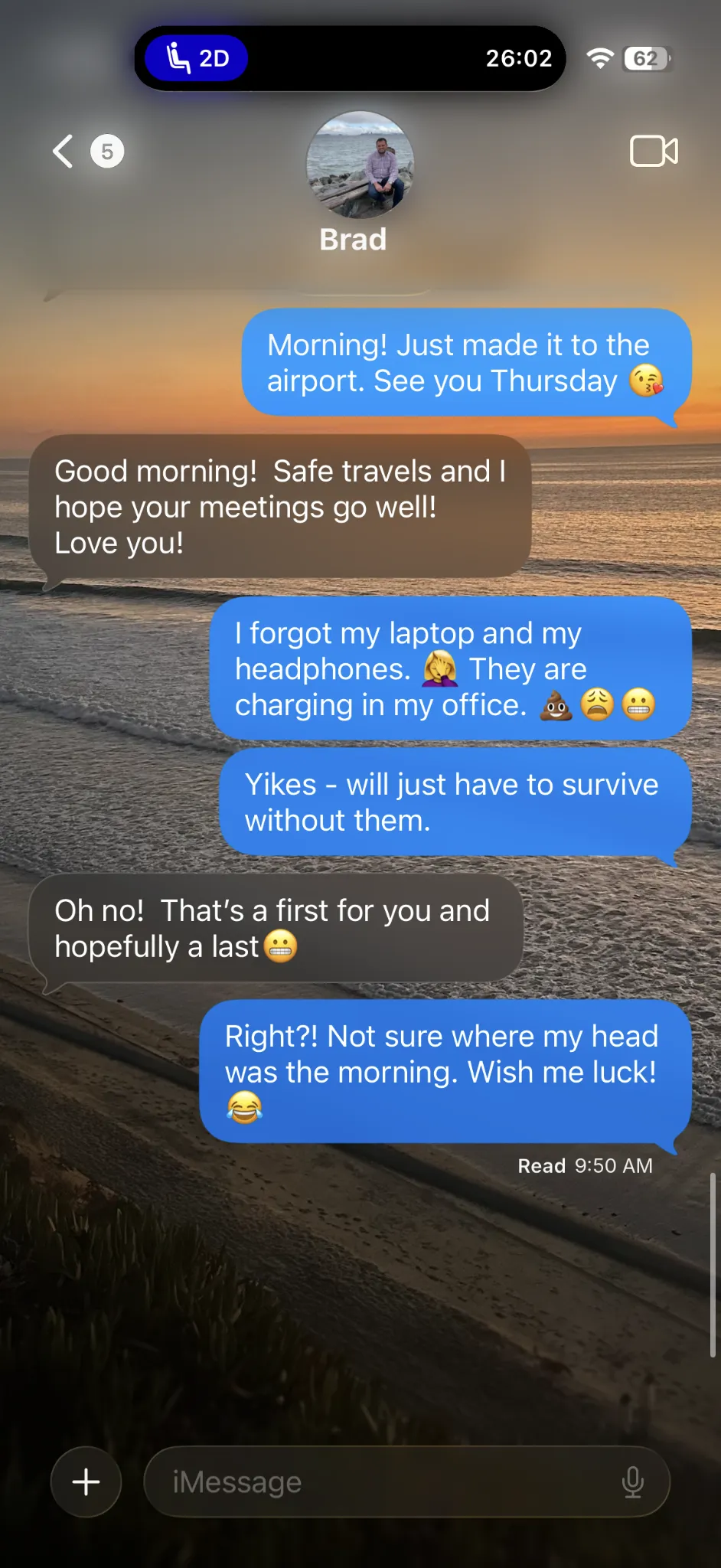
I have a routine before every trip. Everything gets packed the night before. This time I broke it. I left my laptop on the charger in my office, and out of sight really was out of mind. Tuesday morning was the usual blur of school drop off, goodbyes, and off to the airport. I didn’t think about the laptop again until I was in my seat and unzipped my bag to grab my headphones. They weren’t there either. Both were still sitting in my office charging.
The bag was empty.
First, panic set in. Then I remembered: I’m headless. Six to eight weeks ago, before Claude was connected to our Salesforce, I would have genuinely debated getting off the plane and rebooking on the next flight. That thought didn’t last long. There was nothing on my list I couldn’t do from my phone.
Headless isn’t the same as mobile
Salesforce introduced Headless 360 at TDX in April and expanded it across the platform in August. It’s easy to hear “headless” and think “mobile.” They’re not the same thing.
Mobile puts the same screens on a smaller device, usually through an app. You still log in, find the record, and click through the page. Headless means you don’t need the screens. The data, workflows, and rules are all still in Salesforce, but you get to them from wherever you’re already working, like Slack or Claude. You ask, and the work happens in the background.
Banking went through the same shift. First we made customers come to the branch. Then mobile banking put the branch in their pocket, but they still had to open the app and tap through the menus. Now a customer can ask a question in a chat and get an answer without opening anything. The account never moved. What changed is how easy it got to reach it.
That’s the difference I felt on the plane. I wasn’t trying to run Salesforce on a six-inch screen. I was asking for what I needed in Claude, and Salesforce did the rest.
What I actually got done from a six-inch screen
Over the trip I scheduled meetings, kept up on email, and answered Slack. I ran an attendance report for an upcoming event, filed an expense report, kicked off a Hubbl scan (a Salesforce health check), filled out an interview scorecard, and updated Salesforce. I joined remote meetings in the gaps of a client onsite. I even wrote this blog.
Most of it ran through Slack and Claude. We upgraded Slack the week before I left, and it’s now connected to our Salesforce. Midweek, a deal question came up in a Slack thread. Normally that’s a “let me check when I’m back at my desk” moment. Instead I asked Claude right in Slack, it pulled the answer from Salesforce, and I replied in the thread. The rest of the week went the same way. I didn’t hunt for records or click through pages. I asked, and it got done.
Nothing slipped through the cracks. My proof? I never told my boss I forgot my laptop. She’s finding out right now. Surprise!
It wasn’t perfect
To be clear, I’m not ready to say goodbye to my laptop. A six-inch screen isn’t where I want to spend every workday, and I ran my phone battery dead every single day. Thankfully the battery pack and charger were in my bag. Those I remembered.
The hardest part was actually logging in. On my laptop, my fingerprint fills in my passwords. I rarely work from my phone, so I’d never set that up. A few apps made me reset passwords and verify it was me a second way. Annoying for a few minutes, but it did exactly what it was supposed to do.
But being forced off the laptop broke a habit. For the first time, I worked fully headless for days instead of here and there.
Headless doesn’t happen by accident
I want to be honest about this part, because it matters most for anyone thinking about headless at their bank or credit union.
Asking questions, running reports, and getting ready for meetings were genuinely fast. Making updates that touch several connected records was a different story. In our own org, opportunity amounts roll up from products, and quotes carry their own flags. When I tried to make that kind of change through Claude, it was slower than doing it by hand, because every connected piece had to be figured out one step at a time.
That isn’t a knock on the technology. It’s a lesson about design. Most Salesforce orgs were built around screens. The page layout quietly did a lot of the thinking for the user, walking them through which record to update and in what order. Take the screen away and that logic has to live somewhere else. Headless works best when someone has deliberately thought through how records get created and updated without a person clicking through them.
Security works the same way. My password resets were a small reminder that it has to be planned up front, before your people are working from their phones.
This matters more for bankers than it does for me
My forgotten laptop makes a funny story. For a relationship manager, a lender, or a wealth advisor, this is the job. Their best work happens across the table from a client, at a business owner’s office, or in the car between appointments. They have never really worked at a desk, yet we’ve asked them to keep Salesforce current from one for years.
That’s why notes get typed up days late and pipeline reviews run on stale data. Headless is a real chance to fix that. Not another mobile app nobody opens, but letting bankers work in tools they already use, like Slack, while Salesforce does the work in the background.
Start with the work, not the screen
At Atrium, this is the conversation I’ve started having with banks and credit unions looking at headless. Before you pick the AI tool or the channel, map how the work actually gets done when nobody is sitting at a desk. What questions do your bankers need answered? Which records do they need to touch? What should happen behind the scenes when they do? And how will they log in from a phone?
Get that right, and the interface becomes the easy part. And maybe someday you’ll find yourself on a plane with an empty laptop bag and realize you’re fine.
If you’re thinking about what headless could look like for your bankers, reach out to Atrium. Let’s talk.